
Aircraft Design & Operation (ADO)
Bringing pilot expertise to aircraft design, operations, and future aviation technologies for safer, greener skies
Aviation is evolving rapidly, with increasing complexity in aircraft design, operational environments, environmental requirements, and the integration of new technologies. Ensuring that these changes continue to support, rather than compromise, safety requires strong operational insight from the flight deck.
IFALPA works to improve aviation safety worldwide by ensuring that pilot expertise informs aircraft design and operational practices. Through engagement with manufacturers, designers, engineers, and regulators, IFALPA advocates for improvements that enhance the pilot working environment and support safe, effective flight operations.
This work also extends to addressing key emerging challenges in aviation. IFALPA advocates for environmentally sustainable aviation through its work on climate-related issues, and promotes the safe integration of new technologies, including uncrewed aircraft systems, into civil airspace.
Across all these areas, IFALPA’s objective is to ensure that innovation in aviation is guided by operational reality and consistently strengthens safety.
Flight Deck Automation
Artificial Intelligence (AI)
GNSS Interference
Bringing Pilot Insight to Aircraft Design, Systems, and Operations
Aircraft design, flight deck systems, automation, and operational environments are becoming increasingly complex, with rapid technological development and growing demands on flight crews. Ensuring that these changes remain safe, practical, and operationally effective requires strong input from those who operate the aircraft every day.
IFALPA works to ensure that pilots’ operational expertise is reflected in aircraft design and operations. Through engagement with manufacturers, designers, engineers, and regulators, IFALPA advocates for the integration of real-world flight deck experience into the development of aircraft, systems, and procedures.
This collaboration helps influence design and operational decisions so that new technologies are implemented in a way that is safe, practical, and effective for pilots in line operations.
IFALPA’s work also extends to emerging areas such as environmental sustainability and the safe integration of unmanned aircraft systems into civil airspace, ensuring that innovation continues to align with operational reality and safety.
Latest Publications

Loss of Control Related to Angle of Attack
Loss of Control related to Angle of Attack (LoC‑AoA) remains a significant contributor to aircraft upsets and accidents, often occurring
LOC-I and Aircraft Trim Systems
Loss of Control In-flight (LOC-I) are accidents or incidents in which the control of the aircraft in flight is lost,

GNSS Radio Frequency Interference & Signal Manipulation: Emerging & Unknown Impacts on Aircraft Systems
GNSS Radio Frequency Interference (RFI), including jamming and spoofing, is increasing worldwide and can occur without warning. These events can
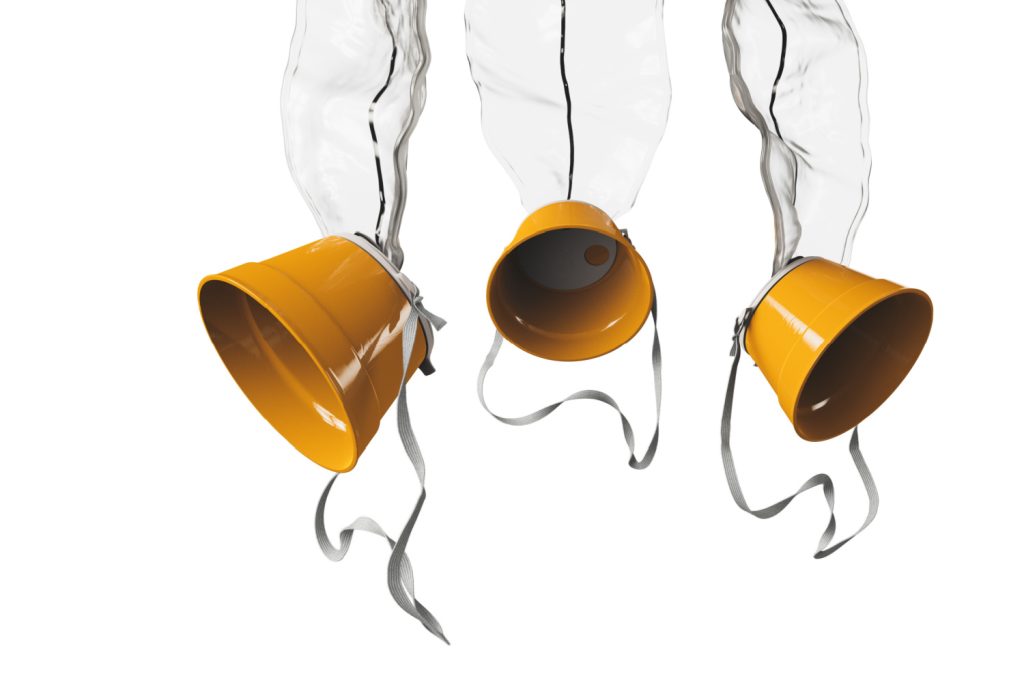
Oxygen Masks for Flight Crew
No abstract is currently available. Please click on Download to view this publication in PDF.

Crew Awareness of & Authority Over Systems Affecting Flight Path & Energy
This paper addresses the growing role of automated systems that influence an aircraft’s flight path, speed, and energy state. IFALPA
Artificial Intelligence in Civil Aviation – ECA & IFALPA
This paper presents the joint ECA & IFALPA perspective on the responsible integration of AI into civil aviation. While AI can strengthen
Meet the Team
Capt. Nikolaus Braun
VIEW MORE
Capt. Braun flies A320s for Lufthansa. He has been active in VC German ALPA’s ADO group and IFALPA ADO for 20 years. With interest in Human/Machine Interface issues, he was involved in the rulemaking process at the European (EASA) and International (ICAO) levels for Electronic Flight Bags.
Capt. Dara van Langen
VIEW MORE
Capt. van Langen flies the B777 and B787 for KLM. He has been involved in the ADO and PGA Committees at IFALPA since 2011 and the Flight Technical Committee and International Affairs Committee at his home MA of VNV. At ECA, Dara has served as Chair of the Training, Licensing, & Operations Working Group and as a member of the Industrial Working Group, and has been doing pilot peer support since 2015.
Capt. Petri Pitkänen
VIEW MORE
Capt. Pitkänen is an A320 captain and instructor at Finnair. He has chaired the Finnish Pilots’ Association Safety and Security Committee and contributed to Finnair’s Safety and Quality department. Capt. Pitkänen is involved in EASA stakeholder groups and the ICAO Friction Task Force.
Capt. Chris Sidor
VIEW MORE
Capt. Sidor flies the A320 series for United Airlines. He has been involved with the ADO Committee and Climate Working Group since 2022 and is the ADO Group Chair at his home Member Association of ALPA-I. His background includes regulatory compliance, aircraft certification, accident investigation, climate issues, and voluntary safety programs.
Capt. Stacey Jackson
VIEW MORE
Captain Jackson flies B737s NG/MAX for WestJet, based in Toronto, Canada. She is an IFALPA-Accredited Accident Investigator, an Accident Investigation course Instructor and a member of the Accident Investigation Board (AIB) for ALPA International. She also serves as Vice-Chair of the Accident Investigation and Response Committee for the WestJet ALPA MEC. She is a Subject Matter Expert in Human Factors and is completing a PhD in Aerospace with a focus in emergency egress and cabin safety centered design.