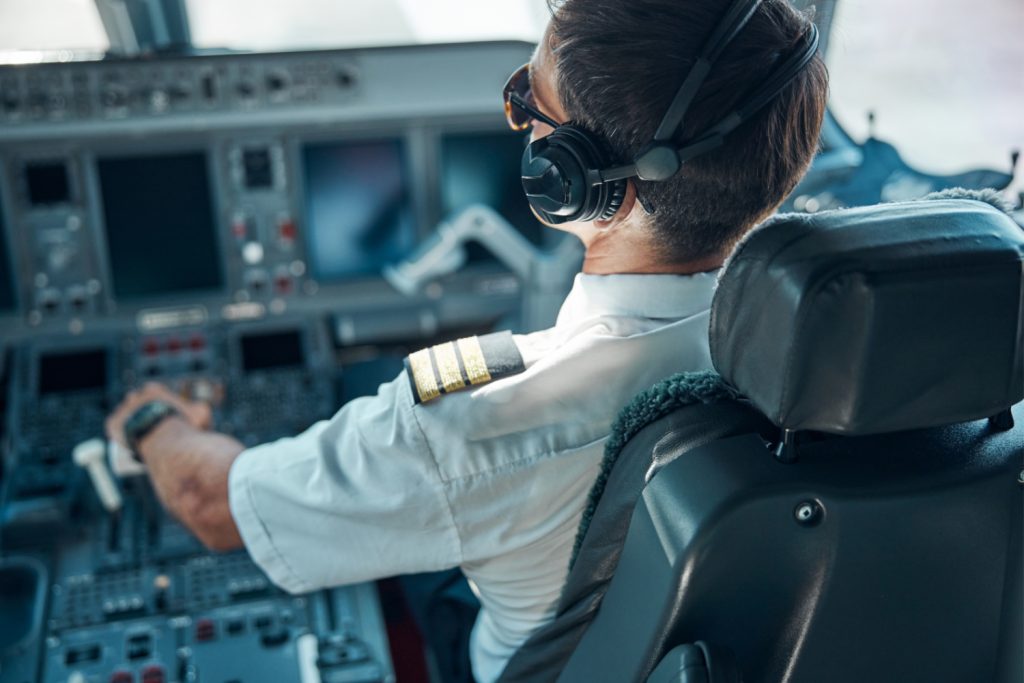

Human Performance (HUPER)

Focusing on the human at the centre of aviation safety

about huper

Human performance encompasses the systematic integration of medical, human factors, and training considerations into global aviation standards, both to build systems that support human performance and to support humans in managing complex aviation systems safely.

Modern aviation safety depends on how people interact with technology, procedures, each other, and organisations. IFALPA’s Human Performance activities (HUPER) ensure this human dimension is consistently considered in international policy‑making, contributing pilot expertise and scientific insight to ICAO and industry discussions.

In parallel, IFALPA directly supports Pilot Associations and the aviation industry by developing practical guidance, manuals, and training resources that translate policy and science into effective implementation of best practices, strengthening safety outcomes across diverse operational and regulatory environments.

Fatigue Management

IFALPA advocates for science based fatigue management systems that recognize human limitations, protect pilots’ ability to operate safely in demanding environments, and are implemented consistently worldwide.

Peer Support & Mental Health

IFALPA fully supports peer support programs that promote mental wellbeing while maintaining aviation safety and professional responsibility.

New Pilot Training Initiatives

IFALPA supports high quality, evidence based pilot training that builds competence, resilience, and sound decision making throughout a pilot’s career.

Aviation Medicine

In the field of Aviation Medicine, IFALPA focuses on the development and evolution of international standards and guidance that protect both pilot health and flight safety. Through active participation in ICAO bodies and close collaboration with aeromedical experts, HUPER contributes to the creation of medically sound, operationally relevant frameworks that recognise the unique demands of flight crew duties.

This work addresses a broad range of topics, including medical certification, mental and physical wellbeing, and the implications of emerging medical knowledge for aviation operations. Through Position Papers and Briefing Leaflets, IFALPA shares best practice and builds the medical knowledge of the pilot community.

Human Factors

IFALPA provides technical expertise on how humans perceive, decide, communicate, and perform within complex operational environments, particularly under time pressure, workload, and organisational constraints.

Pilot experts support the development of policies and guidance that reflect contemporary human factors science, ensuring that systems, procedures, and technologies are designed with realistic assumptions about human performance. Through engagement with ICAO panels, research forums, and industry stakeholders, IFALPA helps shape decisions on topics such as monitoring, automation, workload, operational resilience, and systemic risk.

Training and Licensing

IFALPA’s work in Training and Licensing focuses on maintaining robust, harmonised global standards that ensure pilots are trained and assessed in a manner that supports safe and effective performance throughout a professional career. A central element of this work is IFALPA’s close engagement with ICAO, including the Professional Training and Licensing Panel (PTLP) to build standards and international guidance that ensure pilot training quality and global interoperability.

Pilot training experts contribute operational insight to discussions on competency‑based training and assessment, licensing frameworks, and the evolution of training systems in response to new aircraft, operational models, and technologies. These activities ensure that training and licensing frameworks remain evidence‑based, human‑centred, and aligned with real‑world operational demands.

Latest Publications

NOTAM Reporting Guidance

This Briefing highlights the growing safety risks caused by excessive, unclear, and outdated NOTAMs. While NOTAMs are intended to enhance
Read more

Pilot Assistance Programs

IFALPA is committed to fostering inclusive Pilot Assistance Programs that enhance the health, wellbeing, and professional performance of airline pilots.

Read more

Meet the Team

Capt. David Fielding

HUPER Committee Chairperson

Capt. Jean Benoit Toulouse

HUPER Committee Vice-Chair (Human Factors)

Based in Paris, Captain Toulouse flies the A320 for Air France. Among other positions, he represents IFALPA at ICAO for the Competency Based Training and Assessment Task Force and ECA at the EASA MPL Advisory Board.

Capt. Dr. Antti Tuori

HUPER Committee Vice-Chair (Medical)

Finnair pilot and medical doctor, Dr. Tuori flies A320s for Finnair. He has been representing his home MA, the Finnish Pilots’ Association (FPA) as a volunteer with IFALPA for several years. Dr. Tuori is also an Aeromedical Examiner.

Capt. Ron Hay

President

Captain Hay flies the A350 for Delta Air Lines, based in Los Angeles. He has been an instructor and line pilot for over 35 years with four different airlines. He has served IFALPA as EVP AMF, RVP US/CEP, and as Negotiations Seminar instructor. At ALPA-I, Captain Hay negotiated several pilot contracts to include the merger of Northwest and Delta Air Lines. He has also served as a local council representative, as well as on multiple committees including Merger, Grievance, Strategic Planning, and Government Affairs.

Gordon Margison

Technical Director