

Women Pilots
Supporting a pilot profession that reflects its global workforce
IFALPA’s work to support Women Pilots builds on broader international objectives to improve inclusion and diversity in aviation, including alignment with the United Nations Sustainable Development Goals and relevant ICAO Assembly resolutions. This work focuses on addressing structural and operational factors that affect the recruitment, retention, and progression of women pilots, ensuring that aviation policies and practices better reflect the realities of a diverse professional workforce.
Through policy development, guidance material, and regional engagement, this work addresses key career-long challenges, including return-to-work after pregnancy or parental leave, health-related leave and rostering considerations, and barriers to progression. IFALPA also addresses harassment and inappropriate behaviour in the workplace by promoting clear professional boundaries, trusted reporting pathways, and organisational responsibility to prevent and respond to misconduct, helping ensure all pilots can operate in a safe and respectful working environment.
By working with pilots and Member Associations across regions, IFALPA identifies and benchmarks best practices, using this insight to target practical support and policy development with the aim of fostering a pilot career that is accessible and sustainable for all.
Mentorship and Sponsorship
Pregnancy and Flying
Returning After Parental Leave
Menstruation, Menopause, and Fertility Treatment
Recruitment, Retention, and Advancement of Women Pilots
Sustainable growth in the pilot profession depends on retaining experienced pilots and removing unnecessary barriers to career entry and progression.
IFALPA advocates for evidence‑based recruitment practices, improved retention through supportive employment policies, and fair, transparent advancement pathways for women pilots. This includes promoting return‑to‑work frameworks, equitable parental benefits, predictable rostering, and workplace cultures that value experience and diversity.
By focusing on retention as well as recruitment, this work supports safety, resilience, and the long‑term strength of the global pilot workforce.
Latest Publications

Supporting a Pilot’s Post Parental Leave Return to Work
This paper outlines strategies to help pilots transition back to flying after parental leave through adapted training, childcare-aware scheduling, and

Mentorship: A Key to Advancing Women in Aviation
Mentorship is a vital tool for supporting underrepresented women in the pilot workforce. Structured mentorship programs provide guidance and access

Menstruation, Menopause, and Fertility Treatment
Pilots can face unique health considerations throughout their careers, including menstruation, menopause, and fertility treatments, which can affect wellbeing and
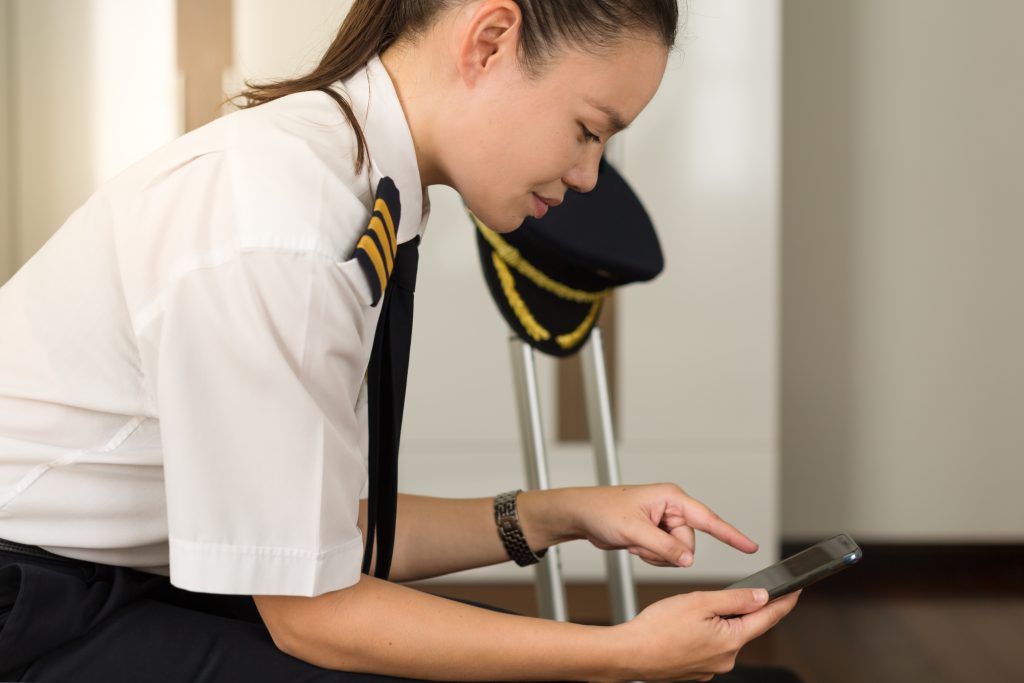
Recruitment, Retention, and Advancement of Women Pilots
Despite decades of progress, women make up only about 5% of airline pilots worldwide. The aviation industry must actively recruit

Respecting Boundaries
A Briefing from IFALPA’s Female Pilots’ Working Group, released on International Women’s Day 2023.

Mentorship, Sponsorship, and Women
A mentor is defined as someone who teaches or gives help and advice to a less experienced person in that
Meet the Team
Capt. Julia Ho
VIEW MORE
Julia Ho began her aviation career with SilkAir in 2018 and now flies the 787 with Singapore Airlines. Drawing on a background in communications and transformation consulting prior to aviation, she served three years as Strategic Communications Chair before stepping into her current role as IFALPA Director of ALPA-Singapore.
Capt. Stacey Jackson
VIEW MORE
Captain Jackson flies B737s NG/MAX for WestJet, based in Toronto, Canada. She is an IFALPA-Accredited Accident Investigator, an Accident Investigation course Instructor and a member of the Accident Investigation Board (AIB) for ALPA International. She also serves as Vice-Chair of the Accident Investigation and Response Committee for the WestJet ALPA MEC. She is a Subject Matter Expert in Human Factors and is completing a PhD in Aerospace with a focus in emergency egress and cabin safety centered design.