
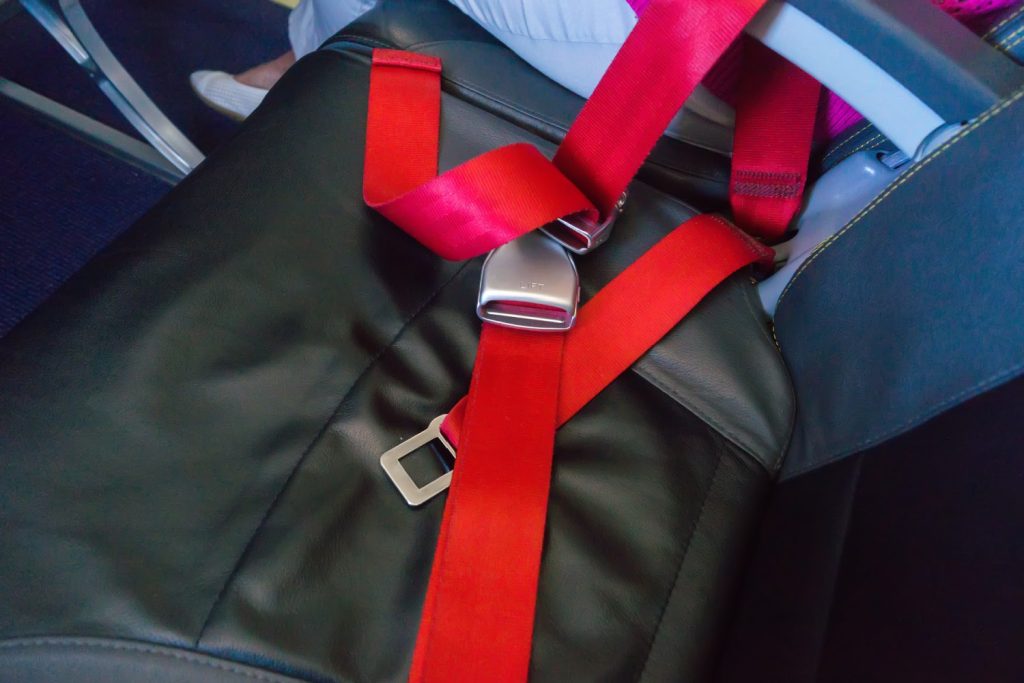
This joint briefing from IFALPA and FSF highlights the risk of injuries posed by turbulence and outlines practical steps to mitigate it. Despite advances in forecasting, turbulence remains one the most difficult weather phenomena to predict, with some degree of turbulence present on almost every flight. The paper stresses three pillars of mitigation: turbulence avoidance strategies at flight planning stage, ensuring passengers keep seatbelts fastened at all times while seated, regardless of the illumination of the “fasten seatbelt sign” and effective and timely communication from the flight crew to cabin crew and passengers. Reducing the number of turbulence-related injuries requires coordinated action across operators, regulators, and international aviation organizations.
Related Publications

Security Concerns in the Papua Region of Indonesia
Security Bulletin: IFALPA is concerned about the ongoing security issues faced by commercial aircraft and crews operating in the Papua

Problematic Substance Use Testing
This Briefing Leaflet provides guidance on problematic substance use testing in aviation, outlining principles and best practices for the design

Flying with HIV
Advances in antiretroviral therapy have transformed HIV into a well‑managed chronic condition, yet significant regulatory and operational barriers persist for

Infographic: Annex 13 at a Glance
Delays, incomplete findings, or the absence of published accident investigation reports deprive the industry of critical safety insights. These insights

Human Performance Impacts of Civil Aviation Operations in Conflict Zones
Exceptional operations require exceptional safeguards. Conflict zone operations must continue to be treated as exceptional circumstances regardless of duration, as

Background Checks for Pilots
In view of the concerns expressed by a number of IFALPA’s Member Associations concerning the arbitrary and sometimes unclear methods