
While cannabis use is legal in some countries, it remains incompatible with flying due to its adverse effects on cognitive and physical performance. Various drug tests can detect THC long after use, posing significant risks for pilots. Aviation authorities classify cannabinoids as psychoactive substances, strictly prohibiting their use. IFALPA strongly supports a substance-free aviation industry and urges pilots to be fully aware of the risks associated with THC consumption, including the potential for positive drug tests.

Related Publications

July 14, 2026
Security Concerns in the Papua Region of Indonesia
Security Bulletin: IFALPA is concerned about the ongoing security issues faced by commercial aircraft and crews operating in the Papua
June 9, 2026
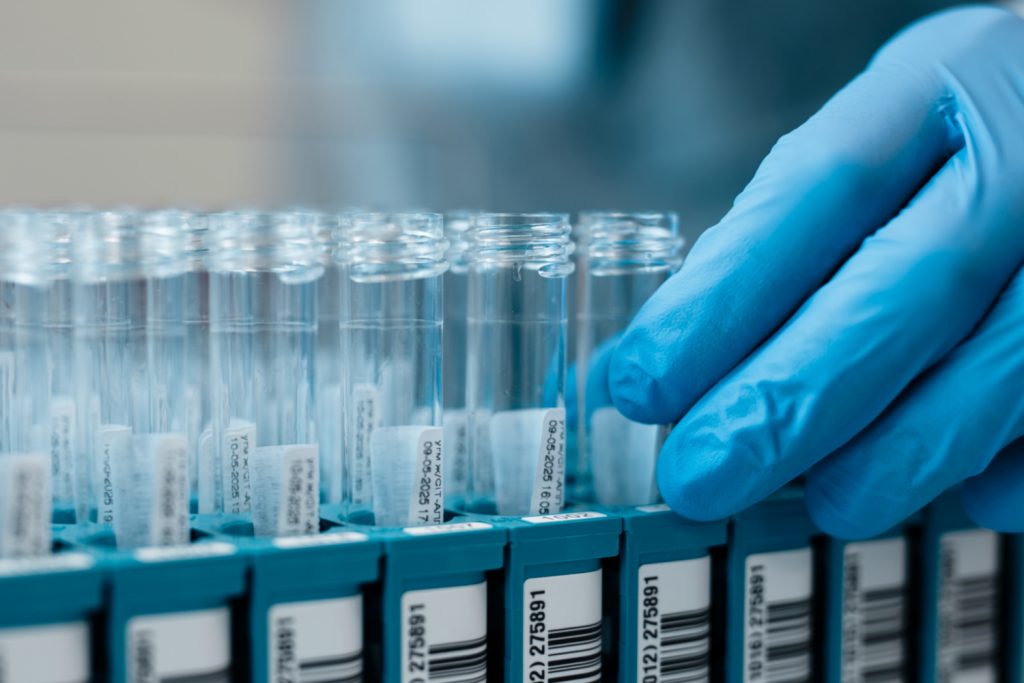
Problematic Substance Use Testing
This Briefing Leaflet provides guidance on problematic substance use testing in aviation, outlining principles and best practices for the design
June 3, 2026
Flying with HIV
Advances in antiretroviral therapy have transformed HIV into a well‑managed chronic condition, yet significant regulatory and operational barriers persist for

April 27, 2026
Infographic: Annex 13 at a Glance
Delays, incomplete findings, or the absence of published accident investigation reports deprive the industry of critical safety insights. These insights
April 6, 2026
Human Performance Impacts of Civil Aviation Operations in Conflict Zones
Exceptional operations require exceptional safeguards. Conflict zone operations must continue to be treated as exceptional circumstances regardless of duration, as

February 26, 2026
Background Checks for Pilots
In view of the concerns expressed by a number of IFALPA’s Member Associations concerning the arbitrary and sometimes unclear methods